The Economics of Football: How Clubs Make Money
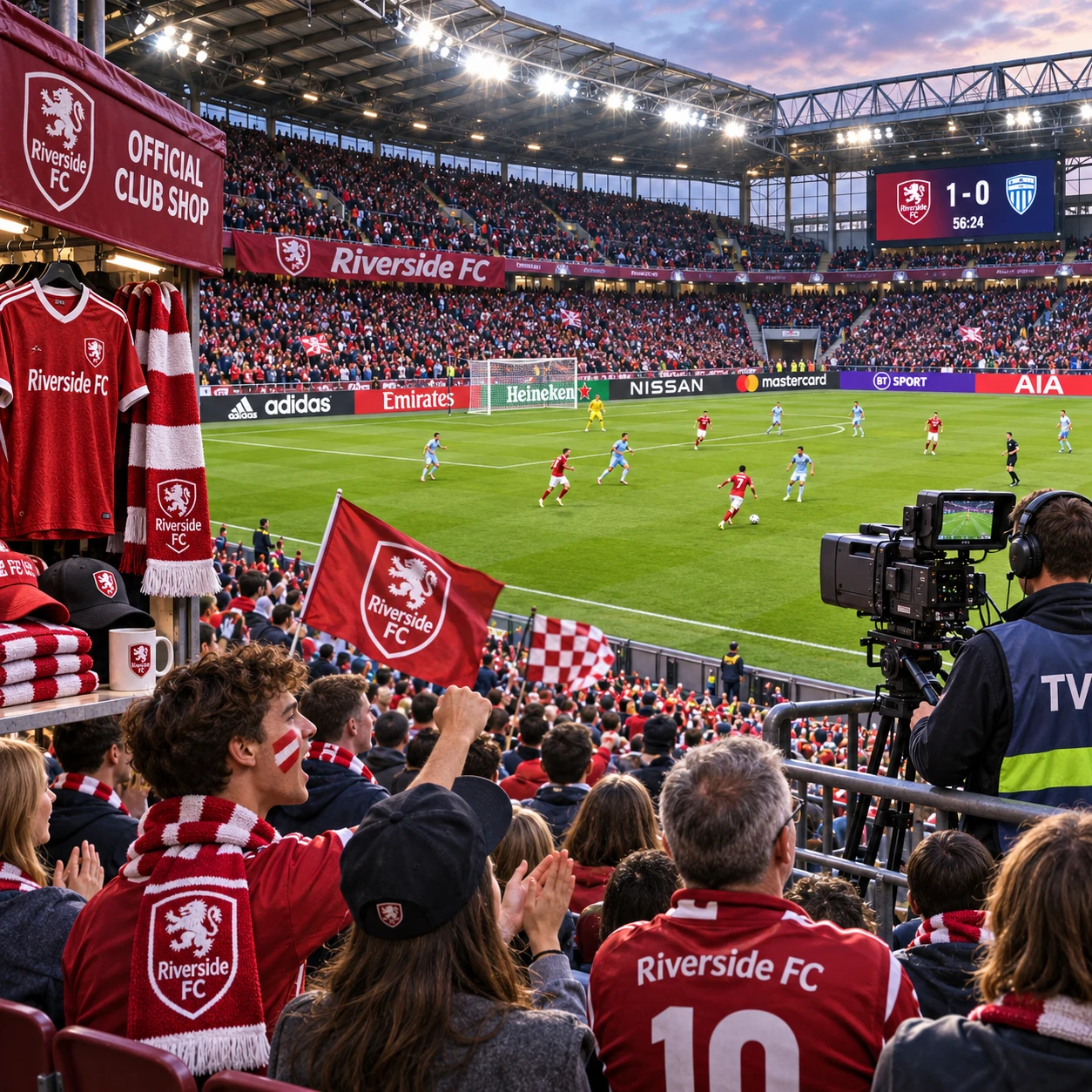
Football clubs generate income from more than the 90 minutes on the pitch. Ticket sales, broadcasting rights, sponsorship, merchandise, transfer fees and prize money all contribute, but each club relies on a different mix. Understanding those revenue streams helps explain why two clubs in the same league can have very different budgets—and why high revenue does not automatically mean financial security.
Why Club Finances Matter
Club finances determine how much a team can invest in players, facilities and everyday operations while keeping the organization stable. Revenue provides the funds; spending choices and financial rules determine whether a club can sustain them.
A club may use its income to pay player wages, maintain a stadium, support its academy, fund travel and improve training facilities. It must also meet other operating costs, such as staff salaries, utilities, insurance and administration. These commitments continue whether the team is winning or struggling.
That makes financial planning a sporting issue as well as a business one. A larger budget can help a club recruit and retain players, but expensive contracts can become difficult to manage if results, audience interest or competition income decline. Clubs therefore need to consider not only how much money comes in, but how predictable that income is.
For fans following league tables and performance statistics, the financial picture offers useful context. A club competing for promotion may face different risks from an established top-flight side, while a run in a major cup can bring new income alongside additional travel and squad costs. Financial sustainability means planning for both opportunity and the possibility that results will change.
Matchday Income: Tickets and Stadium Spending
Matchday revenue comes from people attending games, including ticket purchases, hospitality and spending at the stadium. Its size depends on attendance, ticket prices, seating options and how often the club hosts matches.
General admission tickets are the most visible part of matchday income. Clubs can also earn from season tickets, premium seats, executive boxes and corporate hospitality. Food, drinks, parking, stadium tours and events held outside matchdays may add to stadium-related revenue, depending on the club’s facilities and arrangements.
Attendance alone does not tell the whole story. A full stadium with affordable ticket prices may bring in less per person than a venue with substantial hospitality sales. At the same time, raising prices too far can make attendance less accessible and weaken the atmosphere that helps distinguish a club’s home ground.
Stadium ownership also matters. A club that owns its venue may have more control over commercial events and facilities, but it also takes on maintenance and financing responsibilities. A tenant club may avoid some of those costs while having less control over how the venue is used. Matchday income is valuable, but it can be limited by stadium capacity, location and the number of home fixtures.
Broadcasting and Media Rights
Broadcasting rights generate income by allowing media companies to show football matches on television or streaming services. The value of those rights depends on audience reach, competition popularity and how the league distributes payments among clubs.
Leagues typically sell rights as packages, then allocate the resulting money according to their rules. A distribution model may consider factors such as equal shares, league position, the number of televised appearances or other agreed measures. The details vary by competition, so clubs in different countries—or even different divisions—can receive very different sums.
Streaming has expanded how supporters watch matches, while broadcast coverage helps clubs reach fans beyond their local area. A larger audience can make a competition more attractive to media partners and advertisers. However, clubs do not necessarily control the rights to every match or receive the same payment simply because they have an international following.
Match coverage and statistics can strengthen that audience relationship. Live viewing, highlights and reliable performance data give supporters more ways to follow a team and give broadcasters and sponsors evidence of fan interest. For a football stats and viewing audience, metrics such as viewership, attendance and engagement help explain commercial appeal, although those figures are not a direct measure of a club’s profit.
Broadcast income can be substantial, but it also creates exposure. If a club depends heavily on media distributions, relegation or a change in league rights can quickly reduce its income. The effect depends on the league’s payment rules and any transition arrangements.
Sponsorship, Merchandise, and Commercial Deals
Clubs earn commercial revenue by selling sponsorship, advertising, licensing and merchandise opportunities. These deals connect a club’s brand and audience with companies seeking visibility among football supporters.
Sponsorship may include a shirt-front partner, sleeve sponsor, training-kit sponsor, stadium naming rights or advertising boards. A club can also earn licensing income when partners produce goods using its name or crest. The value of a deal usually reflects factors such as audience size, brand recognition, competition exposure and the rights included in the agreement.
Merchandise sales include replica kits, scarves, training apparel and other club-branded products. Sales can rise when a new kit launches, a popular player joins or the team enjoys a memorable season. But clubs do not necessarily keep the full retail price: manufacturing, distribution, retail partnerships and licensing terms all affect the share that reaches the club.
Commercial income varies widely. A club with a large international fanbase may attract global sponsors, while a smaller team may build strong local partnerships that suit its community and scale. Larger deals can bring more money, but they may also involve longer commitments or restrictions on how a sponsor is presented. For clubs, the practical question is whether a partnership fits the brand and delivers value over time, not just whether its headline figure sounds impressive.
Transfers, Prize Money, and Other Income
Clubs can earn money by selling players, receiving competition prize money and developing other sources of income. These streams may be significant, but they are often less predictable than regular ticket, broadcast or sponsorship revenue.
A transfer fee is the amount agreed between clubs when a player moves under contract. Selling a player can provide cash and, depending on accounting treatment, may create a gain in the club’s financial statements. The full fee is not always received at once, and the selling club may have costs or obligations linked to the transfer. Player trading therefore requires careful planning rather than an assumption that every sale produces an immediate windfall.
Prize money comes from league finishes and cup or continental competitions. A higher league position can increase a club’s distributions in some competitions, while progressing through tournament rounds may bring additional rewards. Success can also create extra matchday and commercial opportunities, though clubs may incur greater costs for bonuses, travel and squad depth.
Other income can include player loan fees, sell-on clauses, training compensation where applicable, stadium events and income from club-owned media or services. These sources can help diversify a budget, but they rarely remove the need for dependable core revenue. A club that expects to fund recurring wages with occasional player sales or a one-off cup run is taking on considerable risk.
Revenue Is Not Profit
Revenue is the money a club earns; profit is what remains after expenses are accounted for. A club can report high income and still make a loss if wages, transfer costs, operations and financing expenses exceed what it brings in.
Player wages are often one of the largest recurring costs. Clubs also pay coaching and administrative staff, maintain facilities, cover matchday operations and meet debt or financing obligations. Transfer spending adds another layer: fees may be paid over time, while player contracts and accounting rules affect when costs appear in financial reports.
Financial regulations shape how clubs can spend. Rules differ across competitions and may set limits or tests relating to losses, debt, squad costs or owner funding. Their requirements can change, so no single rule applies uniformly to every club. Supporters comparing accounts should check the relevant competition rules and reporting period before drawing conclusions.
A useful way to assess a club’s finances is to separate three questions: How much income does it earn? How reliable is that income? What commitments does it carry? This simple check prevents a common mistake: treating a record revenue figure as proof of financial health. A club may generate impressive commercial and broadcast income yet remain vulnerable if it has high fixed costs or relies on qualification for a competition it may not reach every season.
What Shapes a Club’s Earning Power?
A club’s earning power depends on its league, results, fanbase, visibility and ability to turn interest into sustainable income. No single factor guarantees success, and each revenue stream responds differently to changes on the pitch.
League membership can set the starting point because divisions differ in broadcast payments, competition exposure and commercial reach. Results and league position may affect prize money, media distributions or access to continental tournaments. Yet success can be temporary, so long-term spending plans should not assume that one strong season will repeat.
Audience reach connects many of these factors. More supporters following matches can increase demand for tickets and merchandise, strengthen sponsorship proposals and make coverage more valuable to media partners. Performance statistics and regular match coverage help fans stay engaged, but attention must translate into actual purchasing, viewership or partner value before it becomes meaningful income.
Consider the balance rather than a single headline number. A club with a smaller stadium might compensate with strong commercial partnerships; another may depend more on broadcast distributions or player trading. Each approach has trade-offs. Matchday income is tied to capacity, sponsorship to brand and audience value, and transfer income to the availability of buyers and players with market demand.
The clearest picture comes from examining revenue sources alongside wages, operating costs, debt and the club’s competitive context. Football’s finances reward visibility and success, but financial sustainability depends on managing the costs and risks that come with pursuing them.
Frequently Asked Questions
What is the biggest source of income for a football club?
There is no single biggest source for every club. Broadcasting rights may dominate for some teams, while matchday, commercial deals or player trading may matter more to others. The answer depends on the league, club size and reporting period.
Do football clubs make money from selling players?
They can. A transfer sale may bring in a fee and, in some cases, a financial gain, but payment timing, previous costs and contract accounting matter. Player sales are also uncertain, so they are a risky foundation for recurring expenses.
How do broadcasting deals affect club finances?
Broadcasting deals provide media-rights income to leagues and clubs under the competition’s distribution rules. The payments can support wages and operations, but their value varies by league, club and performance, and may fall if a team is relegated or loses access to a competition.
Can a club earn a lot of revenue and still lose money?
Yes. Revenue does not account for expenses. High wages, transfer costs, stadium operations, debt and other commitments can exceed income, leaving a club with a loss despite strong sales or media payments.