Injury Updates and Their Impact on Team Performance
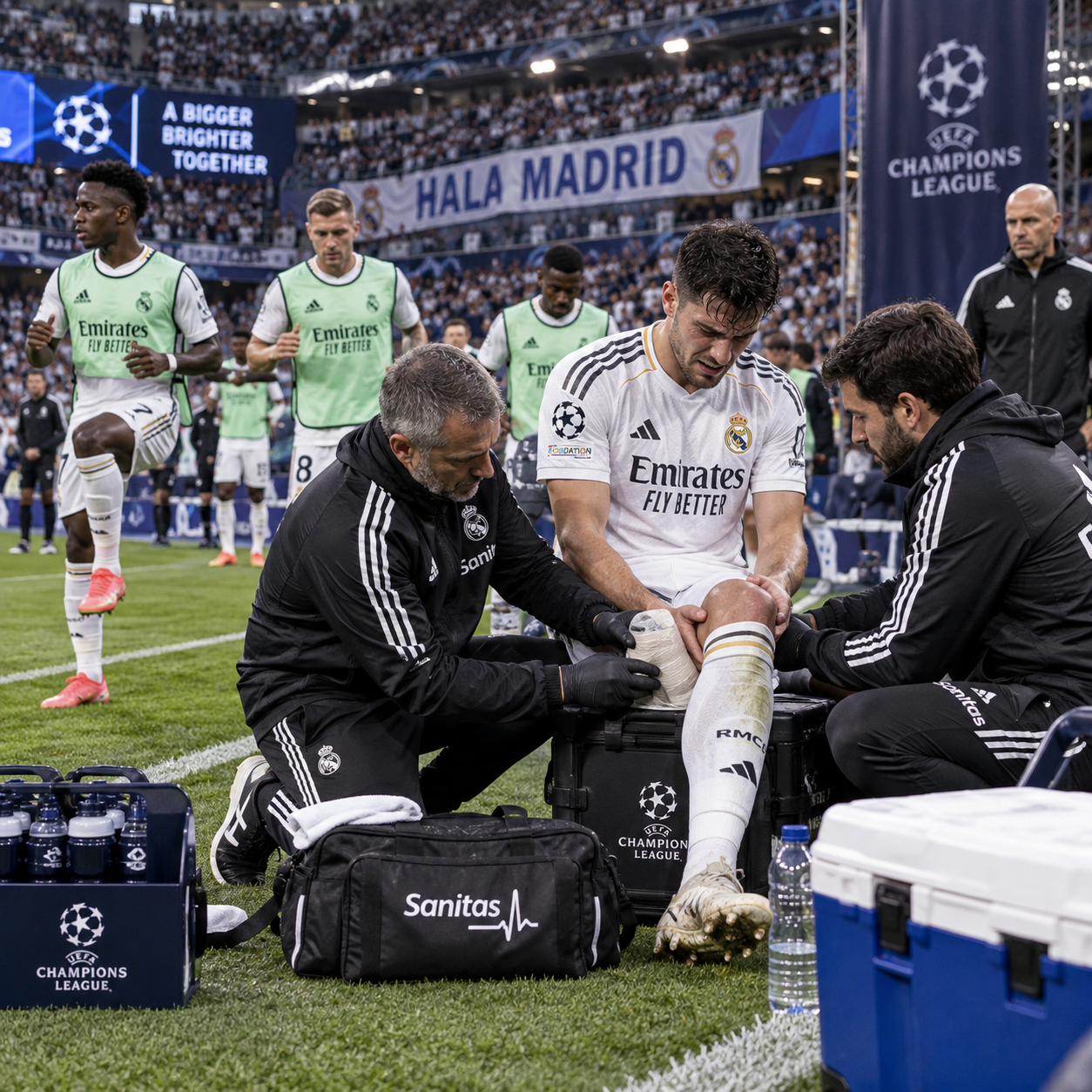
Injury updates can change the meaning of a football match before the first whistle. A missing centre-back may weaken defensive organization, while the absence of a creative midfielder can reduce possession and attacking output. For viewers following live football streams and match statistics, the key is to connect player availability with the confirmed starting lineup, tactical plan, and quality of the replacement.
An injury report alone rarely provides a complete prediction. Its value comes from context: who is unavailable, how important that player is to the system, what alternatives the coach has, and whether the team changes its approach as a result.
Why Injury Updates Matter Before a Match
Injury updates matter because they reveal which players are available, how the starting lineup may change, and whether a team must alter its tactics. They help viewers interpret pre-match expectations without treating one absence as an automatic explanation for the final result.
Player availability affects more than individual quality. It can influence the team’s pressing intensity, defensive organization, buildup structure, set-piece responsibilities, and attacking output. A regular full-back may provide width that a replacement cannot offer, forcing the winger to stay wider and reducing support in central areas.
Pre-match injury information also helps explain changes in team statistics. If a possession-oriented midfielder is missing, the side may record less possession and fewer progressive passes. If a striker is unavailable, the team may create a similar number of chances but finish them less efficiently.
Before watching a stream, compare the latest injury news with the confirmed lineup when it is published. The lineup provides stronger evidence than early speculation because it shows who can actually start, who is on the bench, and whether the coach has selected a familiar formation.
The Most Important Injury Details to Track
The most important injury details are the injury type, expected absence, recovery status, training participation, fitness tests, and confirmed availability. These details indicate both the certainty of the news and its likely effect on the match.
- Injury type: A muscle problem, head injury, ankle issue, or illness may involve different levels of uncertainty. Avoid assuming the label alone reveals the player’s match fitness.
- Expected absence: A player ruled out for one fixture creates a different planning problem from a long-term absence that affects squad depth over several weeks.
- Recovery status: Phrases such as returning to training, partial training, or undergoing a late assessment describe different stages of readiness.
- Fitness tests: A late test may mean the player could be selected but cannot complete a full match comfortably. That uncertainty matters when assessing likely minutes.
- Training participation: Full training is useful evidence, but it does not guarantee a starting place or full match fitness.
- Confirmed availability: The official club update, manager press conference, matchday squad, and starting lineup carry more weight than anonymous social media reports.
A useful way to classify information is by confidence: confirmed out, unlikely, late decision, available but limited, and fully available. This prevents uncertain reports from being presented as facts and keeps analysis proportionate.
How Injuries Affect Team Tactics and Squad Balance
Injuries affect tactics by removing specific skills from the team system, which can lead to positional changes, a different formation, or a more conservative playing style. The effect depends on the player’s role, not simply the player’s reputation.
Defenders and goalkeepers
The absence of a centre-back may reduce aerial strength, recovery speed, or confidence when defending space behind the defensive line. A replacement may defend deeper, causing the midfield to drop and leaving the team less aggressive when pressing. A missing goalkeeper can also affect distribution, cross collection, and communication with the defensive unit.
Midfielders
Midfield injuries often change the balance between possession and protection. Without a holding midfielder, a team may struggle to cover counterattacks after losing the ball. Without a progressive passer, it may circulate possession safely but create fewer chances between the lines.
Attackers
An unavailable striker can change the team’s entire attacking reference point. A replacement may prefer running into space rather than receiving crosses, encouraging quicker transitions instead of sustained pressure. Missing wide players can also reduce one-versus-one actions and crossing volume.
These changes create a useful tactical question: what function has been removed? The answer might be ball recovery, width, speed, creativity, physical presence, or leadership. Squad balance suffers most when the bench lacks another player who performs that same function.
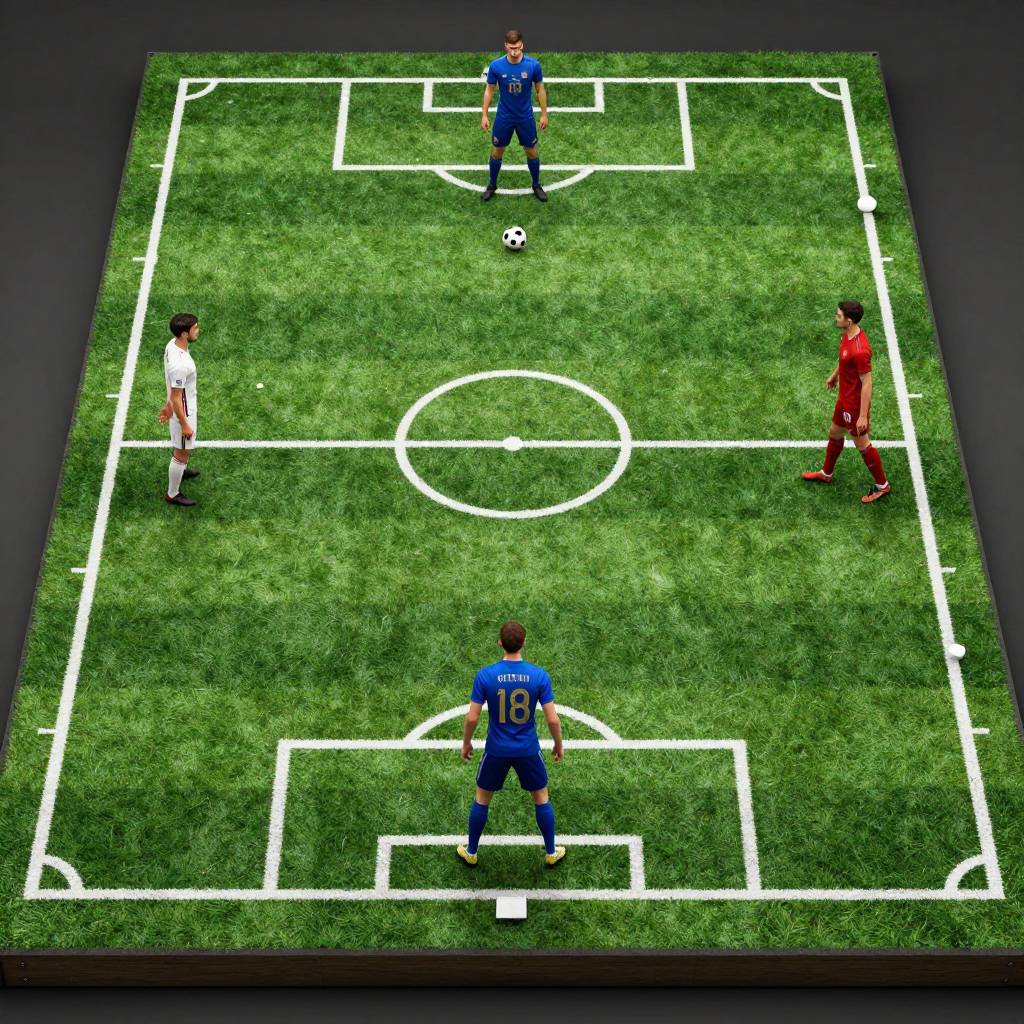
Reading the Statistical Impact of Player Absences
To measure the statistical impact of an absence, compare relevant team metrics before and after the player’s removal while controlling for opponent strength, venue, and game state. A single match cannot prove that an injury caused a performance change.
Useful statistics include:
- Goals scored and conceded per match
- Expected goals and expected goals conceded, where available
- Shots, shots on target, and big chances
- Possession, progressive passes, and final-third entries
- Pressing actions, recoveries, and defensive errors
- Set-piece goals and goals conceded from set pieces
- Points per match and clean-sheet frequency
Choose metrics that match the player’s role. For a defensive midfielder, compare defensive transitions, recoveries, opponent attacks, and buildup pressure. For a forward, examine shots, touches in the penalty area, chance creation, and the team’s conversion rate.
Use a comparison window rather than one dramatic example. A practical approach is to review the last five matches with the player, the first five without the player, and then adjust for differences in opponent quality. Even this method has limits because injuries may occur alongside fixture congestion, managerial changes, or altered formations.
Correlation is especially easy to misuse. A team may lose three matches without its captain because those fixtures were against stronger opponents, not because the absence alone caused the defeats. Statistics should support the tactical explanation, not replace it.
Injury Updates During Live Matches
During live matches, injury updates help viewers interpret substitutions, formation changes, visible fitness concerns, and sudden shifts in team performance. The most useful information combines what is reported with what can be observed on the pitch.
A player who repeatedly tests a hamstring, stops making forward runs, or receives treatment may be managing discomfort even before a substitution. However, visual signs are not a medical diagnosis. Treat them as context, then wait for official confirmation where possible.
When a substitution occurs, check three questions:
- Did the replacement enter the same position?
- Did another player move to cover the vacated role?
- Did the team change formation or pressing instructions?
For example, replacing a winger with a central midfielder may signal a shift from an attacking 4-3-3 toward a more compact shape. The team could then concede less space but produce fewer wide attacks. Live football streams make these changes easier to notice when viewers compare the visual formation with match statistics such as possession, shots, field tilt, and attacking entries.
Live injury information should be used carefully. A team may improve after losing a key player because the replacement adds energy, or decline despite keeping the same shape because the injured player’s movement was more important than the formation itself.
Evaluating Replacement Players and Squad Depth
The impact of an injury depends heavily on the replacement player’s role, experience, position, and compatibility with the team system. A deep squad can absorb a major absence, while a thin squad may struggle when only one specialist is unavailable.
Assess a replacement through four filters:
- Role fit: Can the player perform the same defensive, creative, or pressing duties?
- Position: Is the player a natural option, or must the coach move another starter?
- Experience: Has the player handled comparable opponents and match pressure?
- System compatibility: Does the player understand the team’s buildup patterns, pressing triggers, and defensive rotations?
A highly rated substitute may still create tactical problems if the team loses its usual partnerships. Centre-backs rely on communication, midfielders depend on coordinated spacing, and forwards need timing with the players behind them. Squad depth therefore means more than having eleven credible starters. It includes interchangeable skills and reliable combinations.
Bench strength also matters late in matches. If a team can replace an injured starter with a similar-quality player, its performance may remain stable. If the only alternative is a youth player or an out-of-position teammate, fatigue and tactical compromises may become more visible after the hour mark.
How to Use Injury Information Responsibly
Use injury information responsibly by combining confirmed team news, the starting lineup, recent form, tactical context, and relevant match statistics. Injury updates should improve analysis, not produce guaranteed predictions.
A simple framework is the FACT check:
- F – Fact: Is the absence confirmed by an official source, the matchday squad, or the lineup?
- A – Assignment: What role did the player perform, and who is expected to cover it?
- C – Context: Is the opponent, venue, schedule, or formation likely to change the effect?
- T – Trend: Do recent team statistics support the idea that this role has been difficult to replace?
Before making a conclusion, check the latest official update, then compare the announced lineup with the team’s usual structure. During the match, track whether the expected tactical consequence actually appears. If a missing playmaker is replaced by a direct passer and the team creates more transition chances, the absence has changed the style rather than simply making the team weaker.
Common mistakes include treating every absence as equally important, relying on an old injury list, and judging a replacement before seeing the team’s tactical plan. Another error is explaining every poor result through injuries while ignoring finishing variance, red cards, or opponent quality.
For viewers of live football streams and statistics platforms, the most reliable habit is to separate what is known, what is likely, and what is still uncertain. That distinction produces clearer match analysis and avoids overconfident claims.
Frequently Asked Questions
How do injuries affect football team performance?
Injuries can reduce team performance by removing important skills, weakening squad depth, disrupting partnerships, and forcing tactical changes. The effect varies according to the player’s role and the quality of the replacement.
Which player injuries have the biggest tactical impact?
Injuries to goalkeepers, central defenders, holding midfielders, and primary creators can have major tactical effects because these players often organize teammates or provide functions that are difficult to replace.
How can injury updates affect match statistics?
Injury updates may influence goals, expected goals, possession, shots, defensive actions, pressing numbers, and clean-sheet rates. These changes should be compared across multiple matches and adjusted for opponent strength.
Should injury news influence live match analysis?
Yes, but it should be combined with observed events. A confirmed injury can explain a substitution or formation change, while live statistics show whether that change is affecting possession, chances, or defensive stability.
How can viewers verify whether a player is available?
Check the club’s official communication, the manager’s latest press conference, the matchday squad, and the confirmed starting lineup. Treat social media reports and early predictions as uncertain until reliable confirmation appears.