Historic Football Rivalries: The Stories Behind the Game's Greatest Classics
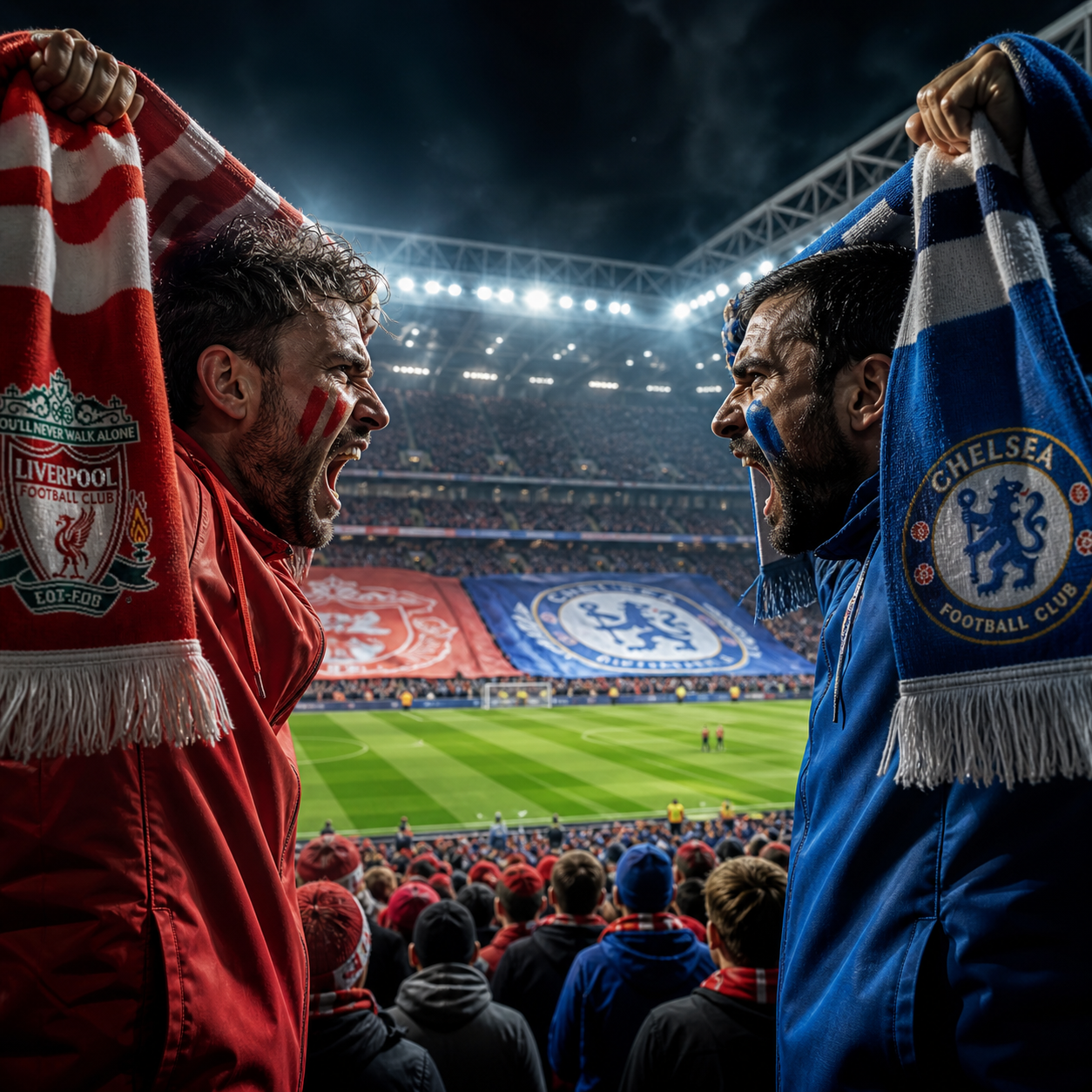
Some matches are just games. Others carry the weight of cities, religions, social classes, and decades of unresolved score-settling. The fixtures that truly define football are rarely decided by tactics alone — they're fueled by everything happening outside the stadium. This is what separates a historic rivalry from an ordinary fixture on the calendar.
What Makes a Football Rivalry Truly Historic?
A football rivalry becomes historic when it reflects something larger than sport — geography, politics, class identity, or faith. The most enduring derbies are not just about who wins on the day; they're about what winning means to the people in the stands.
Three elements tend to separate iconic rivalries from routine club competitions. First, there's proximity — clubs that share a city or region compete for the same fans, the same civic pride, and sometimes the same players. Second, there's sustained competition — rivalries deepen when both clubs regularly contest trophies, meaning every match carries genuine stakes. Third, and perhaps most powerfully, there's an external narrative: a social fault line — religious, political, economic — that the clubs come to represent.
When all three align, you get something football rarely manufactures artificially: a fixture that matters to people who have never kicked a ball in their lives.
El Clásico — Power, Politics, and Spanish Pride
Real Madrid vs. FC Barcelona is the most globally watched club fixture in football, and its intensity has always drawn from sources far deeper than league tables. El Clásico became a proxy for Spanish identity long before it became a global television event.
During the Franco dictatorship, Barcelona's Camp Nou served as one of the few public spaces where Catalan identity could be openly expressed. Chanting in Catalan, waving Catalan flags — these were acts of quiet defiance, and the football pitch was the arena where that defiance played out most visibly. Real Madrid, as a club associated with the Spanish capital and, fairly or not, with the central state, became the natural opponent in that narrative.
The on-pitch history reinforced everything. Legendary figures like Johan Cruyff, Ronaldinho, and later Lionel Messi on one side; Alfredo Di Stéfano, Cristiano Ronaldo, and Sergio Ramos on the other. Iconic goals, red cards, controversial refereeing decisions, and last-minute title swings have all written themselves into the fixture's mythology. El Clásico head-to-head records are among the most scrutinized statistics in world football — every goal difference, every home and away record, analyzed as evidence in a debate that never really ends.
The North West Derby — England's Most Heated Club Rivalry
Manchester United vs. Liverpool is English football's defining rivalry, born from the industrial competition between two cities that once fought for dominance of the British economy. The rivalry runs on trophies — and the bitterness of watching the other side collect them.
Liverpool dominated English football through the 1970s and 1980s, winning league titles and European Cups with a consistency that felt suffocating to United supporters. Then United's era arrived under Sir Alex Ferguson, and the balance shifted dramatically. The head-to-head record between these clubs across all competitions is one of the most debated in English football, with fortunes swinging across generations rather than seasons.
What keeps this rivalry alive beyond history is the supporter culture surrounding it. The songs, the chants, the specific references to tragedies and triumphs — some of it crosses lines, and both sets of fans have been called out for it. That edge, uncomfortable as it sometimes is, reflects how deeply these clubs are embedded in their cities' identities. When the two meet, it's rarely a quiet afternoon.
The Old Firm — When Football Meets Faith and History
Celtic vs. Rangers is one of the most socially charged derbies in world football, rooted in the religious and immigrant history of Glasgow. The rivalry runs along lines that predate both clubs' modern forms.
Celtic was founded in 1887 to raise money for Glasgow's Irish Catholic immigrant community. Rangers became associated with the Protestant, unionist tradition. For much of the 20th century, Rangers operated an unofficial but widely understood policy of not signing Catholic players — a practice that ended in 1989. These histories are not ancient footnotes; they're living context for a fixture that still carries genuine social weight in Scotland.
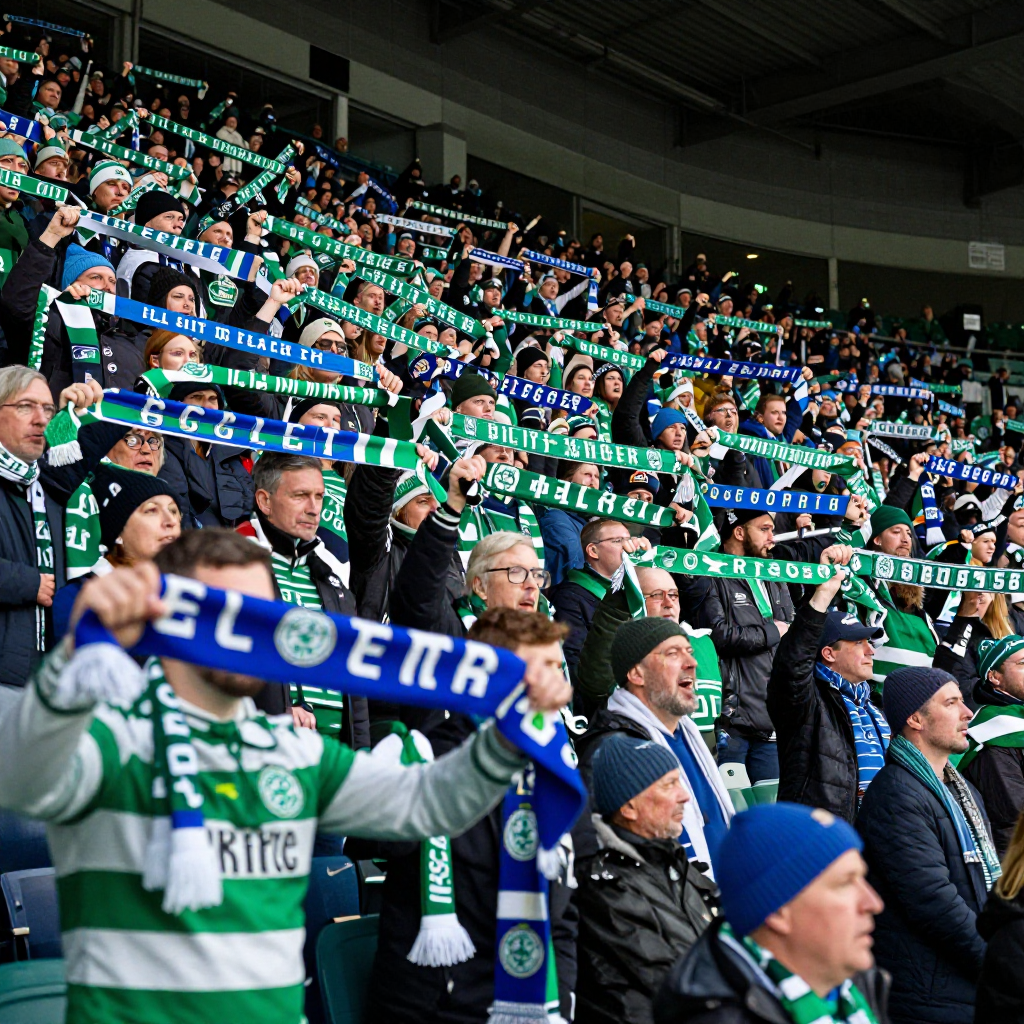
The Old Firm Derby has also produced some of football's most intense ultras culture, though the term "ultras" sits awkwardly against the specifically Scottish and Irish fan traditions that animate both ends of the ground. What's undeniable is the atmosphere: the noise levels, the flags, the historical references layered into every chant. Researchers studying crowd dynamics and fan behavior frequently cite Old Firm matches as case studies in how football intersects with identity.
The Superclásico — A Nation Divided in Buenos Aires
Boca Juniors vs. River Plate is the most-played fixture in Argentine football history, and it carries the weight of a country's social divisions on its shoulders. This is a rivalry that genuinely divides families, neighborhoods, and generations.
The social dimension is specific and fascinating. Boca Juniors emerged from La Boca, a working-class port neighborhood of Buenos Aires, drawing support from Italian immigrant dock workers. River Plate, despite also having humble origins, gradually acquired a more affluent fanbase and the nickname Los Millonarios — the Millionaires. Boca supporters, in turn, embraced xeneizes (Genoese) identity as a badge of working-class pride.
These class associations have softened over decades — River's fanbase is now broadly diverse — but the narrative persists because both sets of supporters choose to keep it alive. The Superclásico at La Bombonera is routinely listed among the most atmospheric sporting events on earth. When the two met in the 2018 Copa Libertadores Final — the first time the final was contested between these two clubs — it was moved to Madrid after crowd violence, a reminder that the stakes around this fixture remain genuinely high.
Italian Derbies — Rivalries Built in the Shadow of the Same City
Italy's two great city derbies — the Derby della Madonnina in Milan and the Derby d'Italia in Turin — show that sharing geography doesn't produce friendship. It produces something far more interesting.
The Derby della Madonnina between AC Milan and Inter Milan is unusual because the two clubs actually share the San Siro stadium. They compete for the same city, the same stadium, and in some cases the same local fan pool — yet the rivalry is fierce. AC Milan's identity has historically been tied to working-class Milan, while Inter was founded partly in reaction to AC Milan's exclusion of foreign players, giving the club an internationalist character from the start. Both clubs have won multiple European Cups, meaning the head-to-head record between them carries genuine continental weight.
The Derby d'Italia between Juventus and Inter Milan is a different animal — a national rivalry rather than a purely local one. Juventus, based in Turin but supported across Italy (particularly in the south, where the club's Fiat-linked history gave it working-class appeal), faces Inter as the representative of northern metropolitan football. The fixture has decided Serie A titles repeatedly, and the head-to-head statistics between these two clubs form some of the most analyzed data in Italian football history.
How Rivalries Shape Stats, Streams, and Fan Engagement Today
Historic rivalries don't just live in the past — they drive the biggest numbers in modern football media. Rivalry fixtures consistently generate the highest live stream demand, the most real-time statistical queries, and the greatest social media activity of any club matches in the calendar.
When El Clásico or a North West Derby is scheduled, traffic to football stats platforms and live stream services spikes sharply in the days before kickoff. Fans aren't just looking for a stream — they're researching head-to-head records, recent form, historical scorelines, and lineup comparisons. The statistical dimension of rivalry fixtures has become a core part of how modern supporters engage with these games.
This matters for how platforms serve fans. Rivalry match pages that surface historical head-to-head data, classic match replays, and contextual stats tend to retain visitors far longer than generic fixture pages. The story behind the game is part of the game itself — and supporters know it.
For fans wanting to watch upcoming rivalry fixtures live or explore historical match archives, dedicated football streaming and stats platforms now offer both — combining the emotional context of rivalry history with the real-time data that modern supporters expect.
Frequently Asked Questions
Which football rivalry has the most matches played in history?
The Superclásico between Boca Juniors and River Plate holds a strong claim, given the volume of Argentine domestic competition across more than a century. The Old Firm between Celtic and Rangers is similarly prolific. Exact totals depend on whether friendly and cup matches are included, but both rivalries have contested well over 200 competitive meetings.
What is the most-watched football derby in the world?
El Clásico between Real Madrid and FC Barcelona consistently draws the largest global television audience of any club fixture, regularly attracting hundreds of millions of viewers worldwide. Its combination of global superstars, political narrative, and sustained on-pitch quality gives it an unmatched reach.
How do rivalries affect player performance and match statistics?
Research and historical data both suggest that rivalry fixtures produce elevated intensity — more fouls, more cards, and often more goals than equivalent non-rivalry matches. Players frequently cite derby matches as the ones that feel categorically different. Statistically, expected goals models sometimes underestimate rivalry matches because the psychological stakes alter how teams approach risk.
Are modern football rivalries as intense as historic ones?
The intensity has shifted rather than faded. Globalization and commercialization have softened some local edges — clubs now market themselves to worldwide fanbases, which dilutes geographic tribalism. But the core fixtures retain their charge, particularly when title races or relegation battles are involved. New rivalries also emerge: clubs that meet repeatedly in Champions League knockout rounds can develop genuine animosity within a decade.
Where can fans watch classic rivalry match replays and live streams?
Dedicated football streaming platforms increasingly offer both live coverage of upcoming rivalry fixtures and archives of classic matches. Pairing a live stream with a stats platform that surfaces head-to-head records and historical context gives supporters the fullest picture of what they're watching — and why it matters.