Breaking Transfer News and Rumors This Summer: Confirmed Moves, Latest Updates, and Player Stats

The summer transfer window can change a football club’s plans within a single afternoon. A new striker may alter the starting lineup, a midfield departure can force a tactical adjustment, and a loan deal may affect player statistics across an entire season. This guide separates confirmed transfers from developing transfer rumors and explains how to follow every move alongside fixtures, legal football streams, and live match data.
Last updated: September 2026. Transfer information should be checked against official club, league, or player announcements because reported deals can change before registration and contract completion.
Latest Summer Transfer News at a Glance
Confirmed transfers are official club or league announcements, while transfer rumors describe reported interest, negotiations, or speculation that has not been completed. Use the status label, publication date, and named source to judge how much confidence to place in each update.
Because transfer stories develop quickly, a useful news tracker should record the player, former club, new club, position, transfer type, reported fee, contract length, and current status. A social-media post alone is not enough to mark a deal as complete.
- Confirmed: The clubs or relevant governing body have announced the transfer, or the player has been formally registered.
- Reported: A reliable outlet has described interest or advanced talks, but no completed deal has been announced.
- Negotiating: Clubs are understood to be discussing personal terms, a fee, or contract conditions.
- Loan: The player temporarily joins another football club, sometimes with an option or obligation to buy.
- Rumor: The claim has limited verification and should not be used to predict a lineup as fact.
For fans who follow football streams and stats, the most valuable update is often the practical one: whether a player is registered in time for the next fixture, available for selection, or still waiting for international clearance.
Confirmed Transfers and Completed Deals
A completed transfer should be listed with the player, former club, new club, position, deal type, and verified financial or contract details. If a fee or contract length has not been officially disclosed, label it as undisclosed instead of repeating an estimate as fact.
The table below provides a reliable format for tracking confirmed transfers during the summer window. It is designed for quick updates as clubs publish announcements.
| Player | Former club | New club | Position | Transfer type | Fee or contract | Status |
|---|---|---|---|---|---|---|
| Update after official announcement | Former club | New club | Position | Permanent, free transfer, or loan | Disclosed or undisclosed | Confirmed |
Several details deserve careful treatment. A free transfer can still involve a signing bonus, agent fees, and salary commitments. A loan may include a purchase option, a mandatory purchase clause, or a wage-sharing arrangement. These terms affect a club’s squad planning even when the headline transfer fee is zero.
Contract information also matters for performance analysis. A short-term agreement may indicate a trial period or a veteran depth signing, while a long contract can signal that the club expects the player to become a long-term starter. Neither conclusion is automatic, so contract length should support analysis rather than replace it.
When reviewing a completed deal, check the official club website, competition registration information, and the player’s verified channels. A reputable transfer database can help organize records, but the announcement remains the strongest confirmation.
Biggest Transfer Rumors Still Developing
Transfer rumors remain unconfirmed until the relevant clubs or competition authorities announce completion. Reported interest, an agent meeting, a bid, and an agreed transfer are different stages, and each should be described separately.
A sensible credibility scale is the four-stage transfer filter:
- Interest: A club is linked with a player, often because the position matches a reported need.
- Contact: Representatives or clubs are reported to have discussed terms.
- Agreement: A fee or personal contract may be close, but medical tests and documentation can remain.
- Completion: Registration, announcement, and formal paperwork confirm the move.
This filter prevents a common mistake: treating a headline about a possible bid as evidence that a player will appear in the club’s next starting lineup. Even an agreed fee can collapse over salary demands, medical findings, work permits, or competition from another club.
Rumors become more useful when they include specific context. Ask which position the player fills, whether the current club needs to sell, whether a release clause exists, and whether the destination club has room in its squad registration. If those details are absent, the story deserves a lower confidence rating.
Do not use unverified rumors to make firm claims about transfer fees, contract terms, goals, assists, or expected minutes. Those figures belong in the confirmed section only when their source and status are clear.
Clubs and Positions Most Affected
The clubs most affected by summer transfers are those replacing key starters, managing contract departures, or rebuilding a specific position group. Defensive, midfield, attacking, and goalkeeping changes each create different selection and statistical consequences.
Defense and goalkeeping
A centre-back departure can change the defensive line’s pace, aerial strength, and buildup quality. A new full-back may be signed for overlapping runs rather than one-on-one defending. Goalkeeper changes can influence distribution, save percentage, defensive confidence, and the number of short passes used under pressure.
Midfield
Midfield recruitment often has the widest tactical effect. A ball-winning midfielder can protect the back four, while a progressive passer may increase possession and chances created. Replacing a high-volume runner with a more static playmaker could improve control but reduce pressing intensity.
Attack
Attacking transfers affect role clarity. A centre-forward may compete for starts with an established striker, while a wide player can shift the team from a narrow formation to a system using natural width. The signing’s position on the announcement is only a starting point; previous formations and minutes played provide better clues.
For each club, track three questions: which player left, which role arrived, and what depth remains behind the likely starter. This approach is more informative than ranking transfers by fee alone.
How New Signings Could Change Lineups and Stats
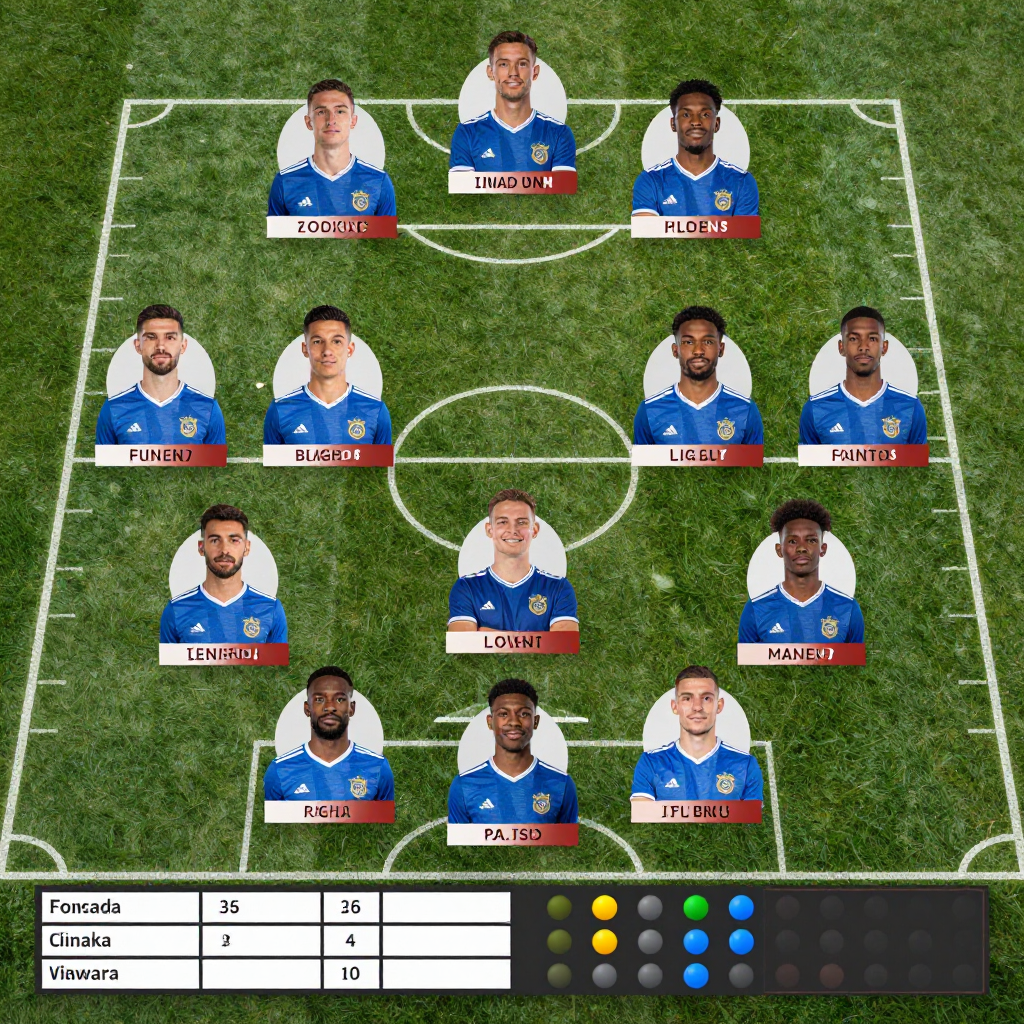
New signings can change starting lineups, formations, minutes, and player statistics, but the impact depends on fitness, adaptation, competition, and the manager’s tactical choices. A transfer should create a range of possible outcomes rather than a guaranteed performance boost.
Use a simple lineup-impact model based on four factors:
- Role fit: Does the player perform the duties required by the club’s usual formation?
- Depth: Is the player replacing a starter or competing with several established options?
- Availability: Has the player completed registration, preseason training, and medical checks?
- Usage: Does the manager usually rotate in the relevant position?
For attackers, compare non-penalty goals, assists, shots, touches in the penalty area, progressive carries, and chances created. For midfielders, examine progressive passes, ball recoveries, pressures, passing accuracy under pressure, and minutes played. Defensive analysis should include tackles, interceptions, clearances, aerial duels, blocks, and team clean sheets, with context for possession and opponent strength.
Statistics need a role-based comparison. A winger who creates chances from wide areas should not be judged only by goals, while a defensive midfielder may provide value through recoveries and pressing actions that do not appear in basic scoring totals. Per-90 figures help compare players with different minutes, but small samples can mislead.
Choosing a high-profile signing for attacking upside means accepting possible adjustment time, reduced minutes for another player, or a tactical reshuffle. The most accurate preview combines historical data with confirmed team news and the first few starting lineups.
Transfer News to Watch Before the Next Fixtures
Before the next fixtures, watch registration deadlines, medical results, work permits, training involvement, and whether the manager names the signing in the matchday squad. These signals usually tell you more about immediate availability than a large transfer fee.
For match preparation, prioritize these storylines:
- Whether a new goalkeeper starts or remains a substitute.
- Whether a centre-back partnership changes after a departure or injury.
- Whether a new midfielder replaces a suspended player or enters gradually.
- Whether an attacking signing begins on the wing, through the middle, or from the bench.
- Whether a loan player has completed the required registration before the fixture.
These details matter when following legal football streams because the confirmed lineup gives immediate context for live match statistics. A player’s expected role can change the way you interpret shots, possession, assists, defensive actions, and substitutions during the game.
Fixture congestion also affects transfer impact. A club playing twice in seven days may rotate a new signing, while a team with a lighter schedule may give the player a longer debut. Avoid assuming that a major arrival must start the next match.
How to Follow Transfers, Streams, and Football Stats
Follow transfers, streams, and football stats through a verification workflow that combines official announcements, reliable databases, confirmed lineups, fixture lists, and licensed broadcasters. This reduces rumor-driven mistakes and makes match analysis more useful.
- Verify the status: Check the official club, league, or player announcement before calling a deal confirmed. FIFA’s official regulations and legal resources provide wider context for international transfer procedures.
- Record the essentials: Note the player’s position, former club, new club, transfer type, fee status, contract information, and announcement date.
- Check the fixture: Review the next opponent, venue, competition, and registration deadline. Availability is a fixture-specific question.
- Compare statistics: Use minutes, starts, per-90 production, shot quality, chances created, passing, defensive actions, and team results rather than one headline number.
- Confirm the lineup: Wait for the official starting XI and substitutes before treating a projected role as reality.
- Watch legally: Use licensed broadcasters, official club platforms, league services, or authorized streaming providers available in your region. Avoid unauthorized football streams, which can be unsafe and violate copyright rules.
Keep two separate notes: what is confirmed and what is being reported. That small habit preserves accuracy when a rumor changes several times in one day. For broader competition information, UEFA’s official website is a useful reference for fixtures, clubs, and tournament updates.
Frequently Asked Questions
What is the difference between a confirmed transfer and a transfer rumor?
A confirmed transfer has been formally announced or registered by the relevant club or competition authority. A transfer rumor refers to reported interest, negotiations, or speculation that has not reached official completion.
When does the summer transfer window close?
The closing date depends on the national association and competition. Check the official league or football association calendar for the exact deadline because dates and emergency provisions can differ by jurisdiction.
How can transfers affect starting lineups?
Transfers can create competition, replace injured or departing starters, and allow managers to change formations. Registration, fitness, tactical fit, and training time determine whether a signing starts immediately.
Which player statistics are most useful when evaluating a new signing?
Use position-specific data such as minutes, starts, goals, assists, chances created, progressive passes, pressures, recoveries, tackles, interceptions, aerial duels, and per-90 rates. Always consider league strength, role, and sample size.
How can fans follow transfer updates and live football stats?
Check official announcements first, compare reputable transfer reporting, review fixtures and confirmed lineups, and use licensed football streams with live statistics from established broadcasters or competition platforms.